Global Food Security Outlook: 2025–2045.
As the world steps into the second quarter of the 21st century, ensuring global food security has become one of the most urgent challenges. The combined effects of climate change, water scarcity, armed conflict, and population growth are straining food systems in both developing and developed nations.
Introduction
By 2050, global food demand is expected to rise by 60% due to a population projected to exceed 9.7 billion. Simultaneously, the capacity to produce, store, and distribute food faces increased disruptions. The global food trade continues to experience growth, however, this growth is uneven, with developing countries often facing higher tariffs that limit their access to global markets.
Key Threats to Food Security
- Climate Change and Drought: Rising global temperatures are reducing crop yields, especially in vulnerable areas such as sub-Saharan Africa and South Asia. Every 1°C rise may result in a 10% yield reduction.
- Water Scarcity: Agriculture consumes 70% of global freshwater. Countries like India and South Africa are approaching critical stress thresholds.
- War and Political Instability: Recent conflicts have demonstrated how grain exports can be blocked, driving global prices to record highs.
- Trade Barriers: Export bans and import tariffs increase the cost of food for low-income countries relying on imports.
Future Trends by Region (2025–2045)
The table below highlights how different global regions are likely to face distinct food security risks over the next 20 years.
| Region | Key Risks | Projected Impact |
|---|---|---|
| Sub-Saharan Africa | Climate shocks, low irrigation | Up to 40% decline in maize yields |
| Middle East/North Africa | Water stress, instability | Heavy import dependence |
| South Asia | Heatwaves, groundwater depletion | 10–20% yield decline |
| Southeast Asia | Rising sea levels, floods | Rice-growing areas at risk |
| Europe & North America | Weather volatility | Higher food prices |
Strategies for Mitigation
Countries must act collaboratively to address long-term threats through: Water-Efficient Agriculture, Infrastructure Investment (modern silos to reduce post-harvest loss), and Digital Agriculture utilizing satellite data and AI to forecast yields.
Visual Data & Market Indicators
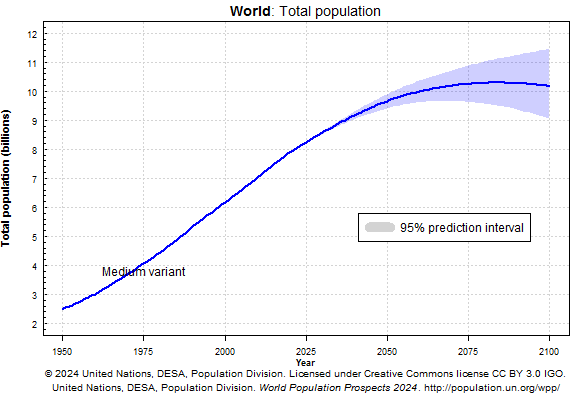
Feeding an additional 2 billion people by 2050 requires transformative changes in supply chains.
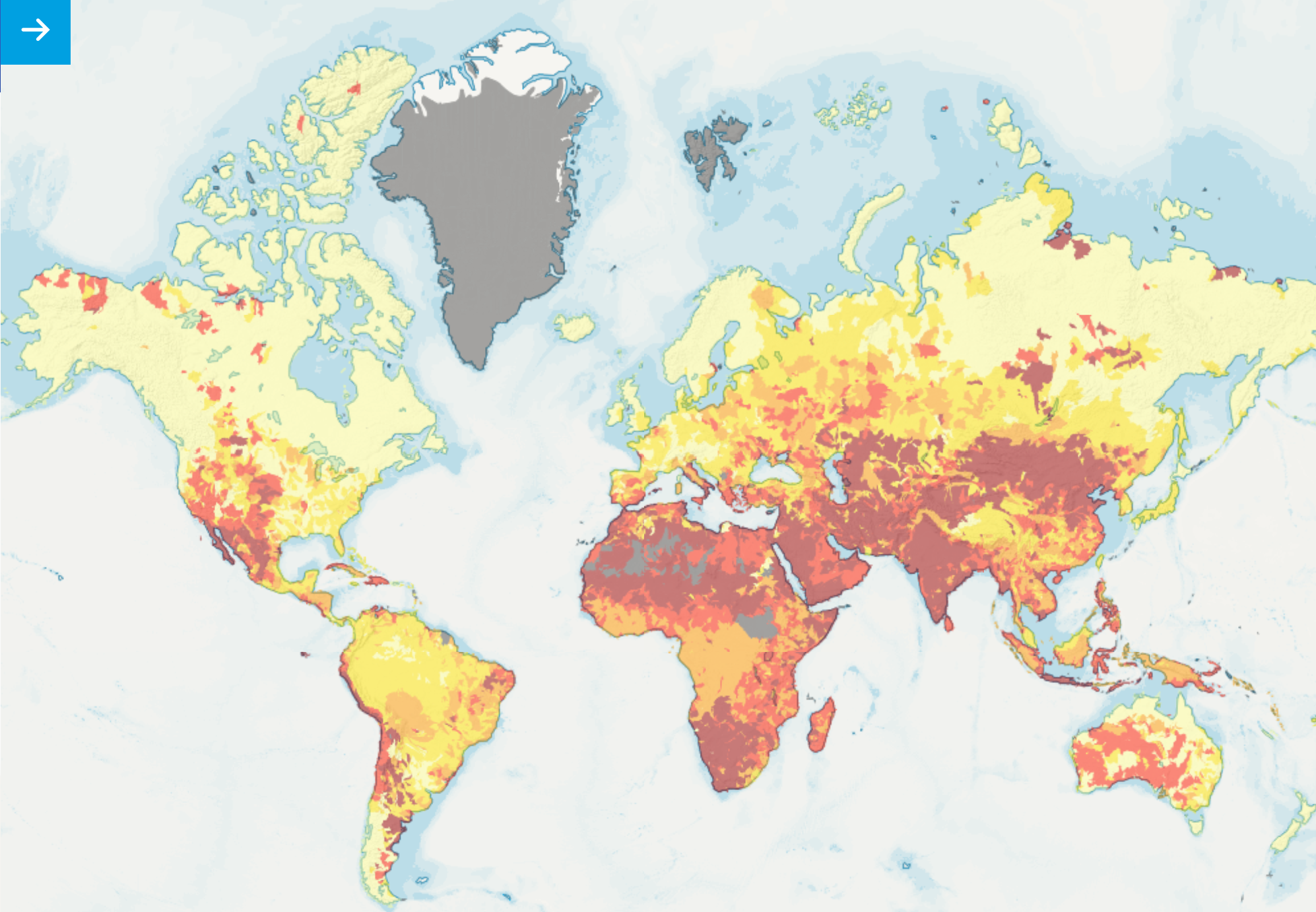
Red zones indicate over 80% of available water resources are used annually.
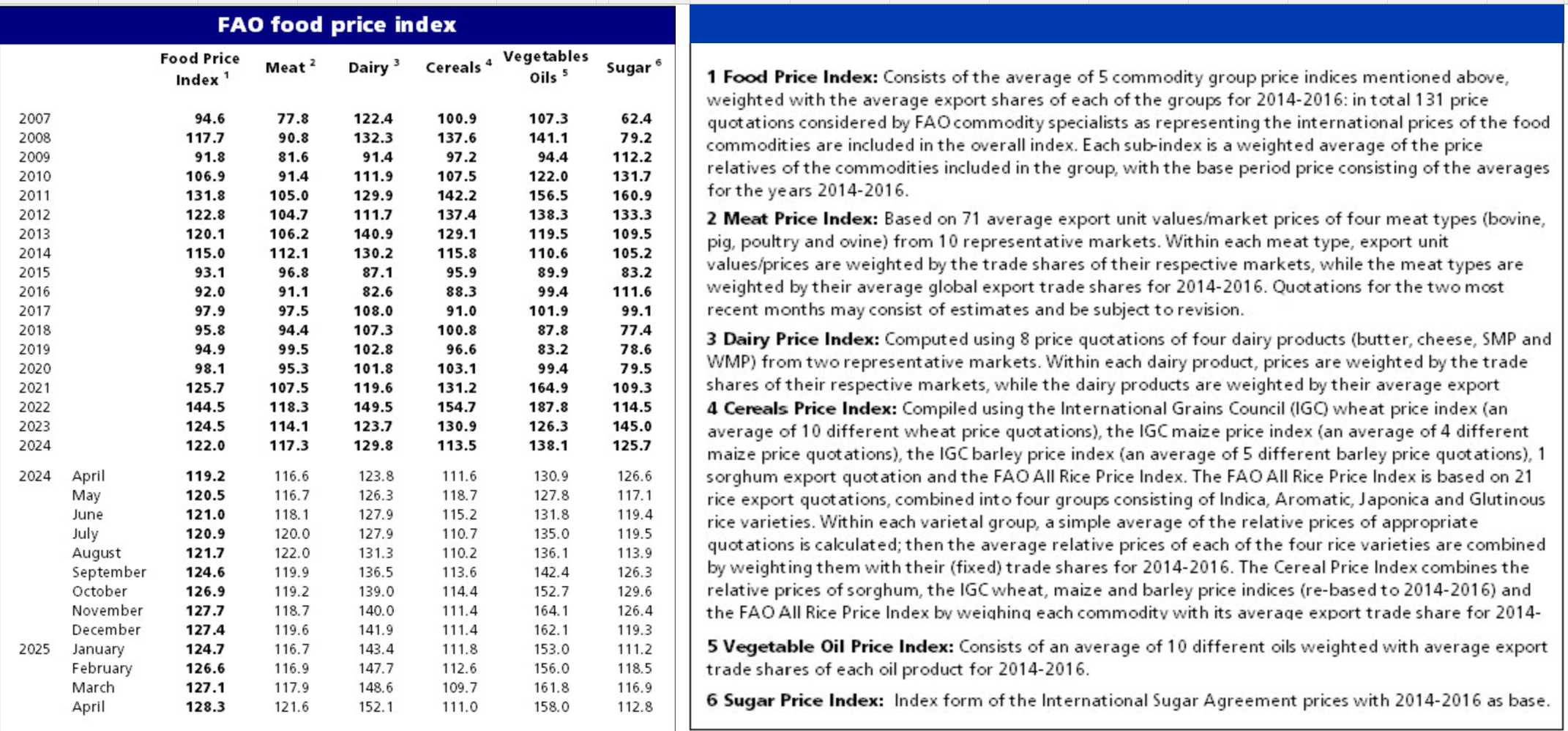
Tracks global price movement across cereals, dairy, and oils.
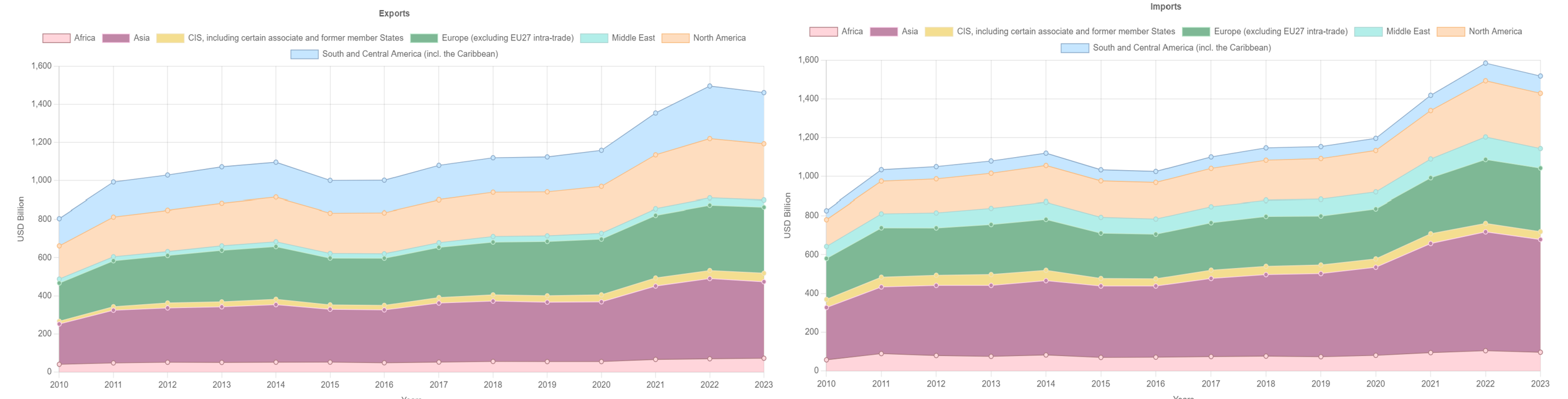
Mapping the concentration of major global exporters and importers.
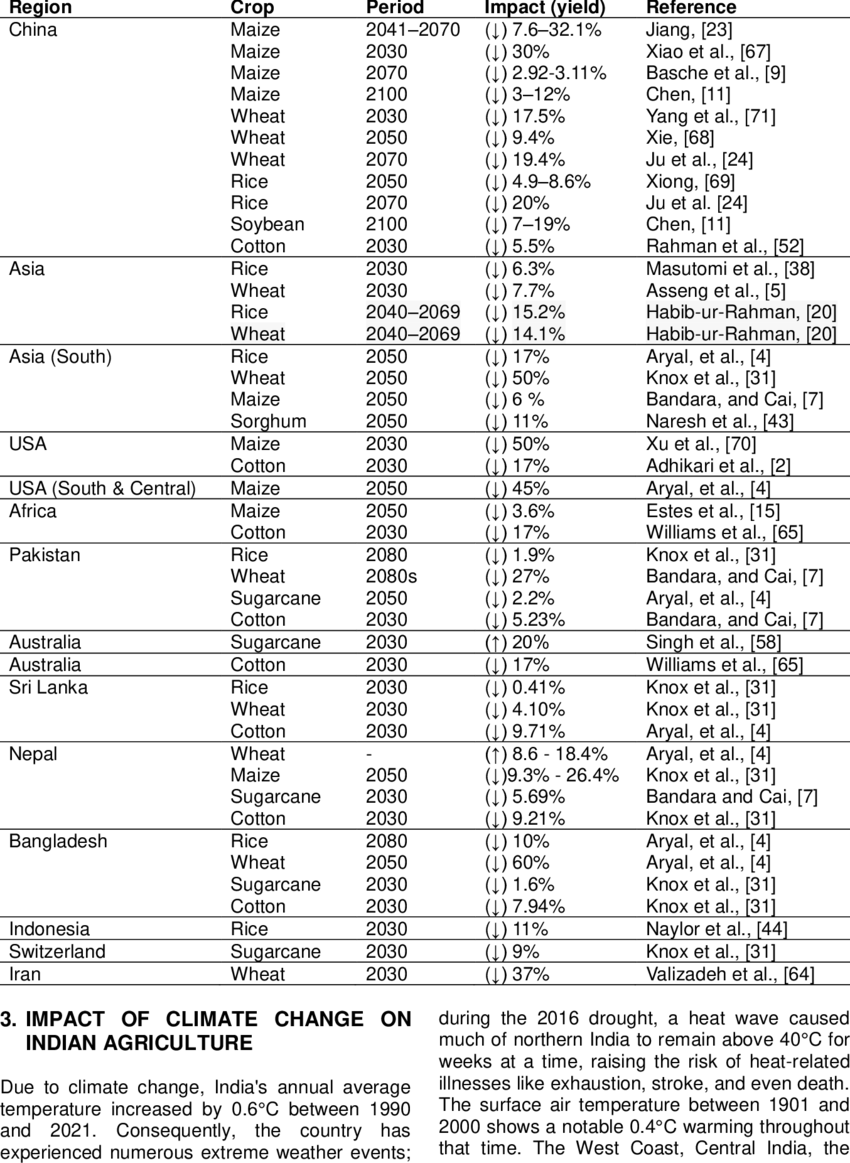
Yield declines projected under a 2°C warming scenario.
Conclusion
Global food security is no longer a concern of the future—it's a crisis of today. Technological innovation, smarter farming, and resilient infrastructure offer a path forward, but time is of the essence.
Bridge the Gap with GrainLink Global.
By acting as a trusted intermediary, we help our supplier partners focus on what they do best—producing quality grain and food—while we take care of the rest.